
The Real Lagos Property Opportunity in 2026 Is Between ₦40M and ₦120M
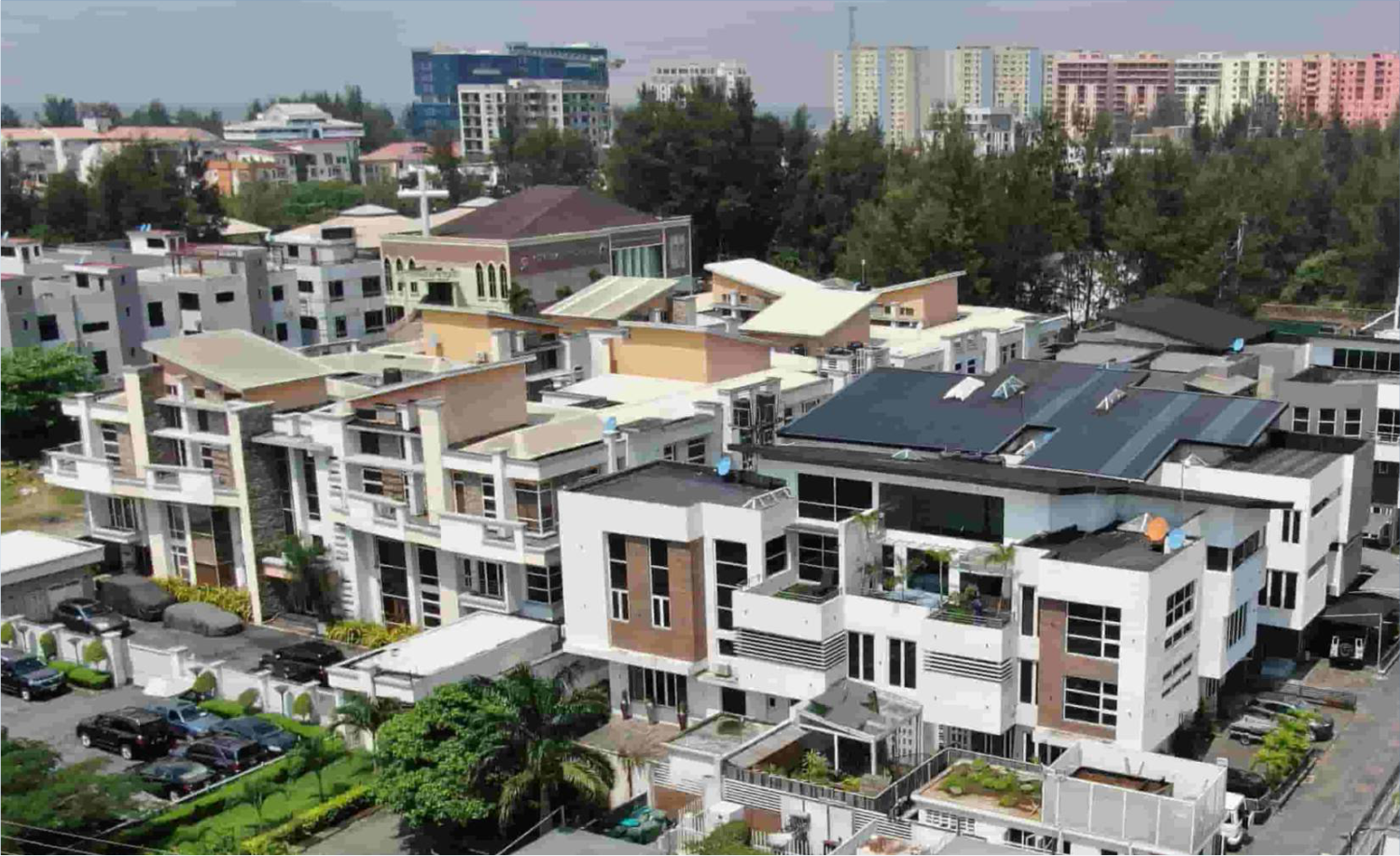
Lagos developers are racing to build ₦1 billion+ apartments in Ikoyi and Eko Atlantic. Meanwhile, the city has a housing deficit of over 2.7 million units, almost entirely concentrated in the affordable and middle-income segments. This article breaks down what the data actually says about where demand, yield, and absorption speed is strongest in 2026.
| 20%
Naira price rise (12 months) |
2.7M+
Unit housing deficit in Lagos |
7–9%
Mid-range gross rental yields |
1. The Structural Mismatch: Where Supply Is Going vs. Where Demand Lives
Lagos has a housing crisis but not the kind most headlines describe. The city is not short of construction activity. According to Estate Intel’s Lagos Real Estate Development Pipeline Report 2025/2026, there are currently over 34,800 residential units in active development across the state. The problem is where those units are being built.
The housing shortage is most acute within the affordable and middle-income segments, [but] developers are increasingly prioritizing luxury and deluxe-grade projects. This strategic shift is largely a defensive measure against Nigeria’s volatile macroeconomic climate.
At the same time, the luxury end of the market is seeing an unprecedented supply wave. Estate Intel research shows:
- 753 apartments priced at $1 million or more are currently under construction in Lagos
- Development starts in this segment increased 33% in the past 12 months alone
- Most of this supply is concentrated in Old Ikoyi, Eko Atlantic, Victoria Island, and Banana Island
- A pipeline of 1,436 units is already tracked in Ikoyi alone, representing approximately 30% of existing prime stock
Estate Intel’s analysts have flagged this directly: “the supply-demand dynamics are likely to change over the next few years as more buildings are delivered… we expect the biggest price dip during 2026 and 2027.”
2. Vacancy Rates Tell the Story Clearly
Vacancy rates are one of the most direct indicators of market health and in Lagos, they diverge sharply between the luxury and mid-range segments.
Mid-range properties (₦40M–₦120M): Vacancy rates in well-connected mid-market areas such as Yaba, Lekki Phase 1, Ikeja GRA, and Magodo sit at around 5–10%. Correctly priced units in these areas are typically occupied within 2 to 6 weeks of listing.
Luxury properties (₦450M+): Vacancy rates for high-end units range from 10–18%. Overpriced luxury units or properties with high service charges in parts of Ikoyi can sit unoccupied for 2 to 5 months or longer.
One property type currently underperforming in demand in Lagos is the oversupplied luxury penthouse and high-end 4+ bedroom apartment segment in areas like Ikoyi and Banana Island, where the tenant pool is limited and vacancy risk has increased.
3. Rental Yields: Mid-Range Wins by a Clear Margin
Yield compression in the luxury segment is measurable and accelerating. The comparison is stark:
Luxury segment yields: Rental yields on luxury properties have dropped to 3–5% and are under further pressure as new supply completes. Estate Intel noted that residential yields in prime segments typically range between 5–6% on average, pushing developers to sell rather than hold.
Mid-range segment yields: Mid-market properties in Yaba, Surulere, and Mainland hubs deliver gross yields of 7–9%, with the best-performing unit sizes (25–50 sqm studios and compact 1-beds) generating 1–2% more per square metre than larger family-sized units.
4. Head-to-Head: Mid-Range vs. Luxury, Key Metrics at a Glance
| Metric | Mid-Range | Luxury |
| Price Band | ₦40M–₦120M (mid-range) | ₦450M–₦1.2B+ (luxury) |
| Vacancy Rate | 5–10% (prime mid-market) | 10–18% in Ikoyi/VI |
| Rental Yield | 6–8% gross | 3–5% and declining |
| Avg. Days to Let | 14–42 days | 60–150 days |
| Supply vs Demand | Undersupplied | 753+ units in pipeline (Estate Intel) |
| Appreciation | 10–15% annually | Softening, price dip expected 2026/27 |
| Buyer Pool | Salaried professionals, diaspora | Limited HNI pool only |
| Key Locations | Yaba, Surulere, Ajah, Gbagada, Ikeja | Ikoyi, VI, Banana Island, Eko Atlantic |
5. What You Actually Get at Each Price Band in Lagos (2026)
Price inflation of approximately 20% over the past year has reshuffled the tier definitions. The table below reflects current 2026 market realities:
| Tier | Price Range | Property Types | Key Areas |
| Entry-Level | ₦30M–₦60M | Studio/1-bed flat; older 2-bed stock; off-plan units; ½-plot land | Yaba, Surulere, Ogba, Sangotedo, Ibeju-Lekki |
| Sweet Spot ★ | ₦40M–₦120M | Modern 2-bed flats; 2–3 bed apartments; terraced houses; off-plan 3-bed units | Yaba, Ajah, Ikeja, Gbagada, Lekki Phase 2 |
| Upper Mid | ₦120M–₦300M | 3-bed apartments; semi-detached duplexes; fully finished townhouses | Lekki Phase 1, Ikeja GRA, Gbagada, Magodo |
| Luxury | ₦450M–₦1.2B+ | 4-bed luxury apartments; penthouses; detached villas | Ikoyi, Victoria Island, Banana Island, Eko Atlantic |
6. Why Developers Keep Building Luxury Despite the Signals
If mid-range properties outperform on yield, absorption, and demand, why are developers still pouring capital into luxury? The answer is structural, not irrational.
- Currency hedging: Luxury projects priced in USD or dollar-indexed naira protect developers from naira depreciation and construction cost volatility.
- Margin protection: In a high-inflation environment, mid-range pricing can barely absorb rising material costs (₦150,000–₦300,000 per sqm), making luxury margins more defensible.
- Buyer persistence: Estate Intel notes that ‘regardless of vacancy levels, there are always individuals in Nigeria willing to buy luxury apartments’, often using cash, with no pressure to liquidate.
- Speed advantage: In a crowded luxury pipeline, speed to market has become a key differentiator, early movers capture the limited HNI buyer pool before later projects compete for the same demand.
The result: a growing structural mismatch that benefits mid-range sellers and investors, and creates a durable opportunity for agents who specialise in this segment.
7. Infrastructure Tailwinds Boosting Mid-Range Corridors
Several major infrastructure projects are directly lifting property values in mid-range and emerging corridors, not in already-expensive prime Island areas:
- Lagos-Calabar Coastal Highway (Phase 1, Section 2 secured $1.26B in financing, December 2025): Properties within 5km are seeing 25–40% appreciation spikes. Land in Ibeju-Lekki and Epe that sold for ₦15M in 2024 now commands ₦25M+.
- Fourth Mainland Bridge (38km, under construction): Unlocking value in Ikorodu, Ajah, and Abraham Adesanya, all within the mid-range price corridor.
- Lekki Deep Sea Port: Transforming the Lekki-Epe axis into a commercial and residential growth zone, pushing demand into Sangotedo, Abijo, and Ajah.
The Bottom Line for Property Professionals
The data in 2026 consistently points in one direction: mid-range properties in the ₦40M–₦120M band are where Lagos demand is most concentrated, supply is most constrained, yields are strongest, and absorption is fastest.
For agents, investors, and developers, this represents a clear market signal:
- Tenants in prime mid-market zones are willing to commit 12–24 months of rent upfront, a sign of genuine demand and supply scarcity
- Net absorption in the middle-income segment remains high; vacated units are reoccupied quickly due to undersupply
- The luxury segment faces a softening cycle as 753+ units hit the market through 2026/2027, while mid-range new supply has not kept pace with population growth
Despite price pressures, occupancy remained stable [in the mid-range segment]: strong underlying demand ensured that vacated units were quickly reoccupied, keeping net absorption levels high.