
Why Lagos’s Tech Hub Is Becoming Its Most Investable Mid-Range Property Market
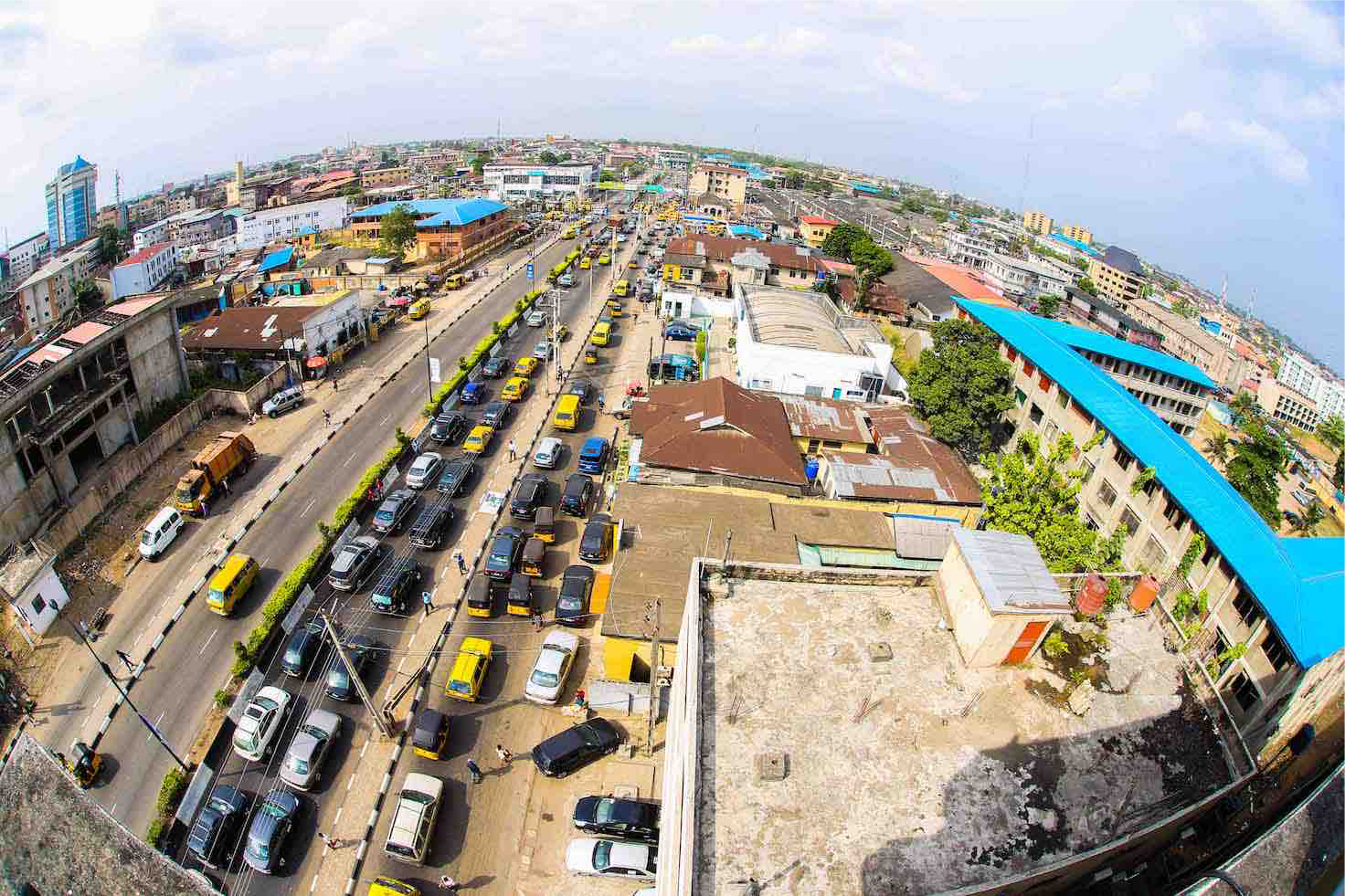
When Lagos property investors talk about Yaba, they typically mean one of two things: the chaotic stretch along Herbert Macaulay Road with its markets and traffic, or the quieter, increasingly gentrified residential pockets around Tejuosho, Abule Ijesha, and the Sabo axis. In 2026, it is the latter that is generating some of the most compelling investment returns on the Lagos mainland and increasingly, attracting buyers who would previously have looked only at the Island.
Why Yaba Is Different From Every Other Mainland Market
Yaba’s investment case is not built on speculation or infrastructure promises still years away. It is built on present-day, functioning demand drivers that are genuinely unusual for a mainland Lagos location.
- The tech ecosystem: Yaba hosts what is widely known as “Yabacon Valley” — Nigeria’s most concentrated cluster of tech startups, co-working spaces, and venture-backed companies. CcHub, Flat6Labs, Meltwater Entrepreneurial School of Africa (MESA), and dozens of operational startups are headquartered or based here. This creates a consistent, year-round rental demand from young professionals earning naira-denominated but globally benchmarked salaries — exactly the tenant demographic that pays promptly, maintains properties well, and prefers compact modern units.
- University proximity: The University of Lagos (UNILAG) in Akoka and Yaba College of Technology together house tens of thousands of students and staff, generating sustained demand for rental accommodation in the immediate vicinity.
- Connectivity: Yaba sits at a genuine transport crossroads. The Lagos Rail Mass Transit (Blue Line Phase 2 extension planning) and existing BRT corridors connect Yaba to Lagos Island, Victoria Island, and Surulere in under 30 minutes outside of peak hours. For mainland-to-Island workers, this is material.
What Property Prices Actually Look Like in Yaba in 2026
Yaba’s 20% naira price rise (in line with broader Lagos market movement) has shifted the tier definitions meaningfully:
– Studio/1-bed flat (older stock): ₦18M–₦35M purchase price; ₦1.2M–₦2.5M annual rent
– Modern 1-bed apartment (2020+ build, serviced): ₦35M–₦55M; ₦3M–₦4.5M annual rent
– 2-bed apartment (modern, well-located): ₦55M–₦90M; ₦4M–₦7M annual rent
– 3-bed apartment (premium, managed estate): ₦90M–₦150M; ₦7M–₦12M annual rent
Gross rental yields on modern 1-bed and 2-bed units in Yaba’s best micro-locations (Sabo, Tejuosho corridor, Jibowu) are running at 7–9%, comfortably outperforming luxury comparables in Ikoyi at 3–5%.
The Gentrification Gradient: Which Parts of Yaba to Target
Not all of Yaba performs equally. Investors should distinguish between:
High-demand micro-locations:
– Sabo/Yaba proper: Closest to CcHub, UNILAG, and commercial activity. Best absorption, lowest vacancy.
– Tejuosho axis: Improving infrastructure, new residential stock, popular with young professionals.
– Jibowu: Transition zone between Yaba and Shomolu — capturing spillover demand from both, with lower entry prices.Caution areas:
– Properties directly adjacent to Yaba market (flooding risk, noise, access difficulty)
– Older stock in areas without adequate power infrastructure (no-generator buildings are increasingly difficult to let in 2026)
The Typical Yaba Investor Profile in 2026
Yaba is attracting three overlapping buyer types:
1. Diaspora buyers seeking yield: ₦55M–₦90M buys a modern 2-bed that generates ₦5M–₦7M annually — a 6–8% gross yield in naira terms, with naira rent rises historically tracking or exceeding inflation.
2. Local professional investors: Lagos-based professionals investing a lump sum (often DSTV terminal bonuses, stock sale proceeds, or accumulated savings) in a property that generates passive income. The ₦60M–₦100M band is accessible with standard mortgage products from Access Bank, Zenith, and FBN Mortgages.
3. Small developers: Land in Yaba’s quieter residential pockets (Abule Ijesha, Igbobi) still available at ₦30M–₦80M for 600–900sqm plots. Mid-rise apartment blocks of 8–12 units yield compelling development margins when the output is priced correctly.
Infrastructure Investments Enhancing Yaba’s Value
Beyond the private sector, public investment in Yaba’s infrastructure is accelerating:
– The Lagos State government’s Tejuosho Urban Market Regeneration Project has improved the immediate commercial environment
– Herbert Macaulay Way road expansion has reduced journey times along the key Yaba–Lagos Island corridor
– Proximity to the Third Mainland Bridge means Yaba benefits from any improvement to that key artery’s traffic management
Yaba in 2026 offers a rare combination: real, present-day tenant demand from a creditworthy, high-earning demographic; gross yields of 7–9% in a city where luxury properties are generating 3–5%; entry prices within reach of serious but non-ultra-high-net-worth investors; and a gentrification trend with genuine structural backing from Nigeria’s technology economy. It is not a speculative play, it is a yield play with a capital appreciation kicker.
For investors frustrated by the speculative froth in Lekki Phase 1 and the yield compression in Ikoyi, Yaba is the data-backed alternative that deserves serious attention.