
Abuja’s Real Estate Market, From Maitama to Lugbe in 2026: Where to Buy, Invest, and Avoid
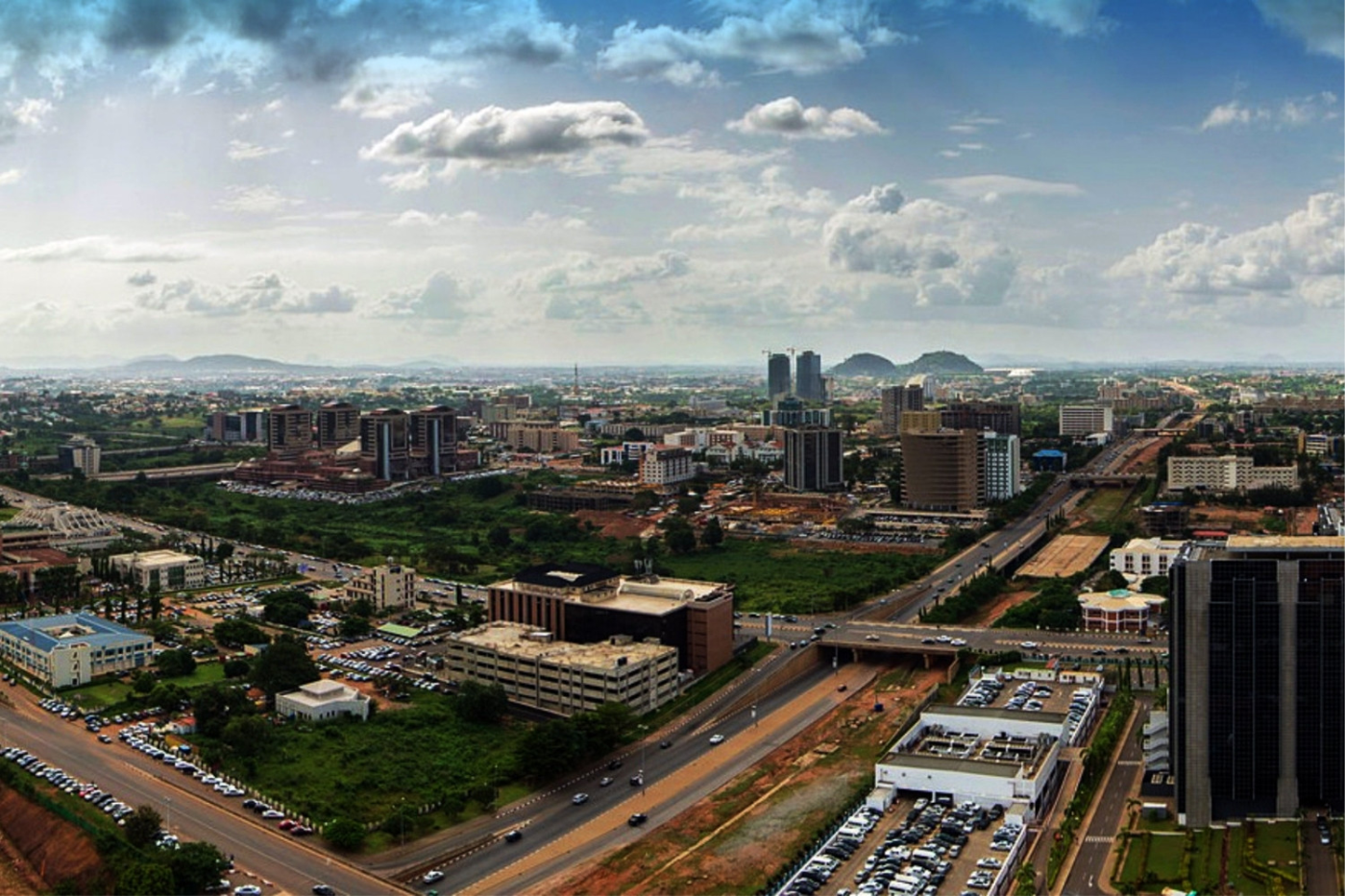
Abuja is not Lagos. Its property market behaves differently, its demand drivers are distinct, and the mistakes investors make here are specific to its political economy. In 2026, the Abuja market is showing signs of genuine bifurcation, a high-end segment anchored by government officials, diplomats, and international organizations that remains remarkably resilient, and a rapidly growing affordable-to-mid-range corridor in the city’s satellite towns that is generating some of the strongest yield and absorption numbers in Nigeria.
The Abuja Market in Context
The Federal Capital Territory (FCT) has a unique property dynamic: its primary demand engine is the federal government. Civil servants, political appointees, military and paramilitary officers, diplomats, and contractors connected to federal spending drive both purchase and rental demand. This makes Abuja’s market more stable in some ways than Lagos it is less vulnerable to private sector cycles but also more sensitive to political transitions and federal budget shifts.
In 2026, a number of factors are shaping the FCT market:
– The Tinubu administration’s infrastructure commitments have directed significant federal spending toward FCT roads, water, and urban development
– Abuja’s population continues to grow at an estimated 35% per decade, creating structural undersupply in the affordable and mid-range segments
– Dollar-earning diplomats, NGO workers, and UN agency staff continue to anchor premium demand in Maitama, Asokoro, and Wuse 2
– The FCT Administration’s ongoing mass housing schemes are adding supply at the lower end but falling short of genuine demand
The Premium Tier: Maitama, Asokoro, Wuse 2
These remain Abuja’s most expensive and most stable residential markets:
– Maitama: 4-bed detached houses range from ₦800M–₦3B+. Rental demand from embassies and international organisations keeps yields modest (4–6%) but vacancy rates extremely low. Capital values have been broadly stable in dollar terms despite naira depreciation.
– Asokoro: Home to senior government officials and ministers. High security, restricted access, limited supply. Prices are similar to Maitama.
– Wuse 2: More commercially mixed but retains strong residential demand from professionals and expatriates. 3-bed apartments: ₦250M–₦600M.
These are not yield plays. They are capital preservation and prestige assets, primarily held by ultra-high-net-worth Nigerians and institutions.
The Mid-Range Sweet Spot: Gwarinpa, Jabi, Lokogoma
For yield-focused investors, Abuja’s mid-range is where the data points:
- Gwarinpa: One of Africa’s largest housing estates, with strong infrastructure and a deep tenant pool of civil servants and professionals. Modern 3-bed apartments: ₦120M–₦250M. Gross yields: 6–8%. Low vacancy — units in the estate’s better streets let within 3–5 weeks.
- Jabi: Premium mid-market with proximity to the airport and major commercial nodes. Growing preference among professionals who want Maitama-adjacent access without Maitama prices. 2-bed apartments: ₦90M–₦180M. Yields: 6–7%.
- Lokogoma: Increasingly popular with middle-income families and younger professionals priced out of Gwarinpa. Strong absorption, lower entry costs. 3-bed terrace: ₦65M–₦120M. Yields: 7–9%.
The Growth Corridors: Lugbe, Kuje, Airport Road
Abuja’s real growth story in 2025–2026 is in its satellite corridors:
- Lugbe: Five years ago, Lugbe was treated as a distant commuter location. In 2026, with improved road connections and a maturing commercial infrastructure (shops, schools, healthcare), it has become one of Abuja’s fastest-absorbing residential markets. 2-bed apartments sell for ₦30M–₦65M. Gross yields of 9–12% on well-managed serviced units are achievable. The downside: infrastructure is still inconsistent, with some estates on boreholes and generators only.
- Airport Road corridor: The stretch from Lugbe toward the Nnamdi Azikiwe International Airport is seeing developer activity at scale. Land that sold for ₦8M per plot in 2022 now commands ₦18M–₦30M. The Abuja-Keffi highway expansion is adding further impetus.
- Kuje: More speculative, longer horizon. Values are rising but infrastructure investment is still catching up. For patient land banking investors with 5–10 year horizons, entry prices remain attractive.
What Investors Often Get Wrong About Abuja
- Mistake 1: Treating all phases of a district as equal. In Gwarinpa, there is a meaningful quality and price gap between Phase 1 (older, some infrastructure issues) and the newer phases. Always verify which phase and what infrastructure is actually in place.
- Mistake 2: Assuming government-backed demand is permanent. When administrations change, demand in the premium tier can shift rapidly. Political risk is real in Maitama and Asokoro.
- Mistake 3: Ignoring FCDA compliance. The Federal Capital Development Authority (FCDA) regulates land use and building approvals in Abuja more actively than Lagos State regulates theirs. Non-compliant structures face demolition risk. Always verify building plan approval.
The Abuja Investment Summary for 2026
| Zone | Price Range | Gross Yield | Best For |
|---|---|---|---|
| Maitama/Asokoro | ₦800M–₦3B+ | 4–6% | Capital preservation, expatriate demand |
| Wuse 2/Garki | ₦150M–₦600M | 5–7% | Professional occupiers, stability |
| Gwarinpa/Jabi | ₦90M–₦250M | 6–8% | Yield + stability balance |
| Lokogoma | ₦65M–₦120M | 7–9% | Mid-range yield play |
| Lugbe/Airport Rd | ₦30M–₦70M | 9–12% | High yield, growth, higher risk |
Abuja in 2026 is not one market, it is five markets layered on top of each other. The investor who understands which zone they are entering, and why, will perform significantly better than one who simply follows the most visible headline.